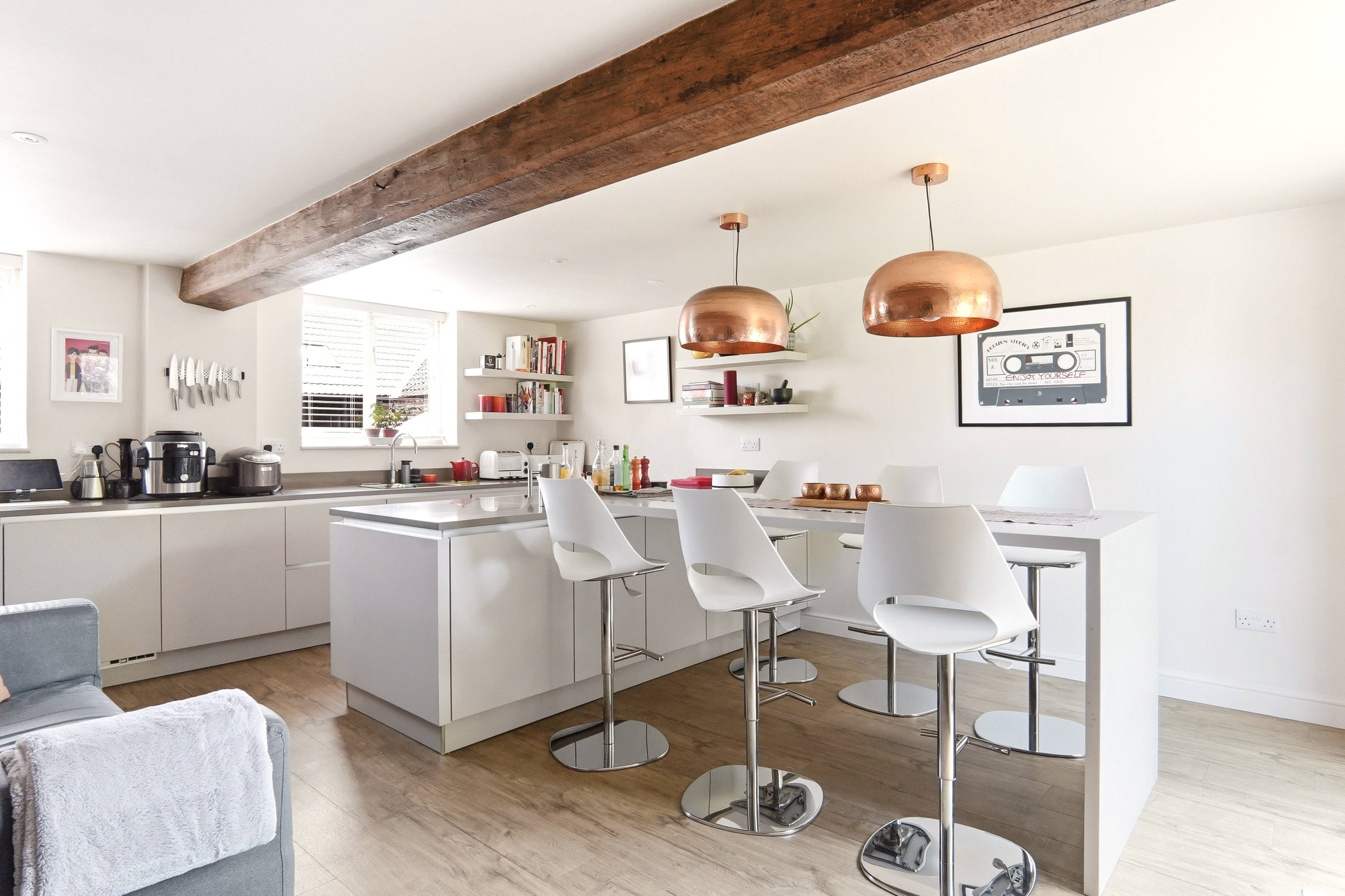
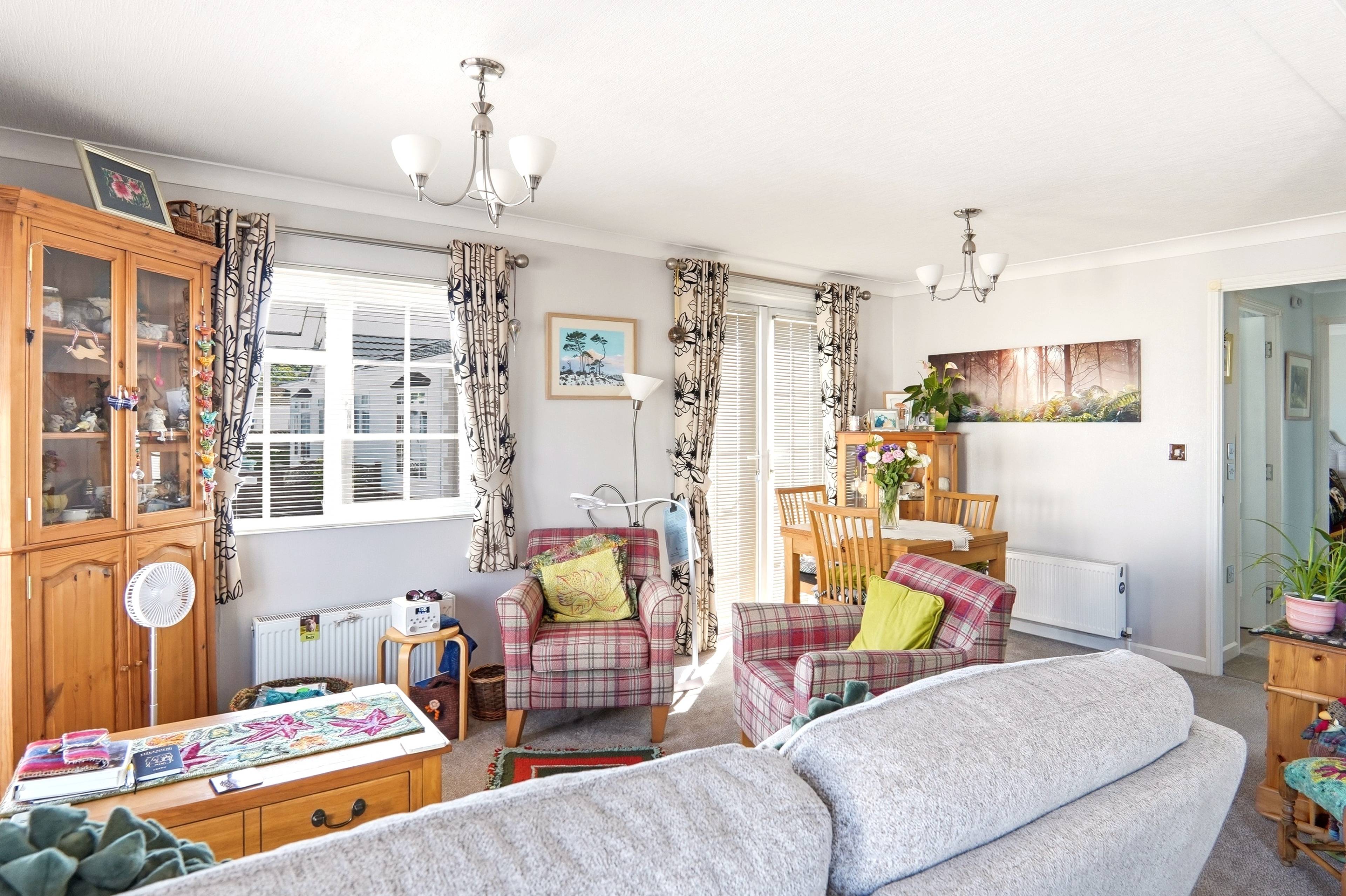
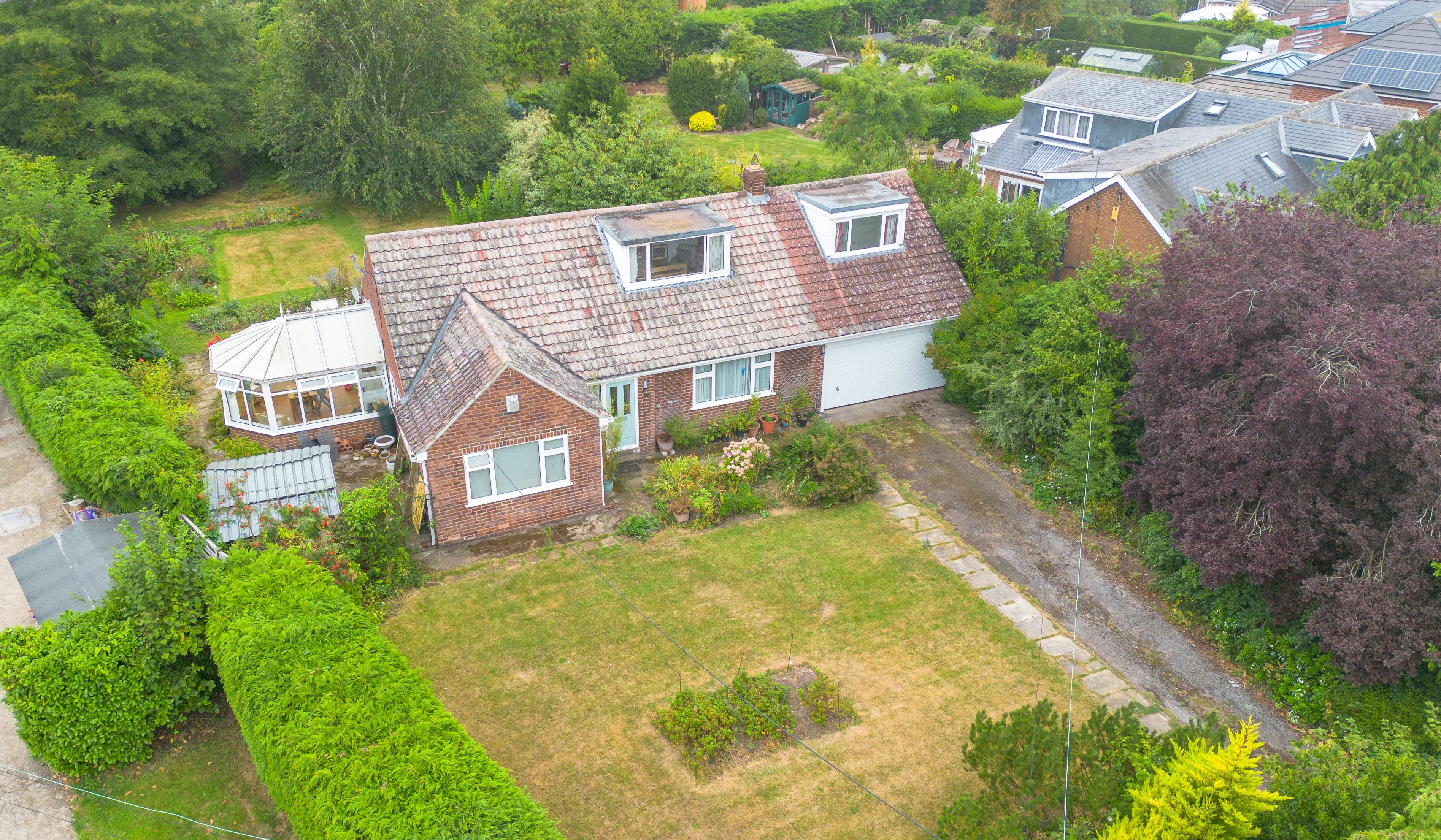
 Sold98% of asking
£615,000
Drome Road
4 bed detached · completed Nov 2026
7 offers
Bishopthorpe is a village and civil parish about three miles south of York, beside the River Ouse. It is best known for Bishopthorpe Palace, home of the Archbishops of York since the 13th century, which stands on the riverbank at the north end of the village. Main Street, the palace and its grounds are in the village's conservation area, and around them is mostly 20th-century housing. The traffic-free cycle path from York to Selby runs past the village, and neighbouring Copmanthorpe, a larger village, lies to the west.
Homes sold in the 12 months to September 2026, from HM Land Registry, and our own sales.
| Type | Sales | Typical price | Change |
|---|---|---|---|
| Detached houses | 75 | £484,705 | +4.2% |
| Semi-detached houses | 47 | £356,245 | +0.4% |
| Terraced houses | 119 | £345,000 | +7.3% |
| Flats | 35 | £245,000 | −3.9% |
| All homes | 276 | £376,000 | +3% |
Typical means the median; change is on the 12 months before. Land Registry records a sale when the purchase is registered, usually one to three months after it completes, so the latest months fill in over time. Full sold prices for Bishopthorpe, by type and street.
The village appears in the Domesday Book of 1086 as Thorpe, and was later known as Thorpe-on-Ouse and then St Andrewthorpe, after the church that the monks of St Andrew's Priory in York built here in about 1202. In 1226 Archbishop Walter de Grey bought the village and built a new manor house by the river, and he passed it to the Dean and Chapter of York Minster so that it would stay with the archbishops. Many of the village's streets are named after past archbishops, among them Ramsey Avenue, Maclagan Road, Temple Road, Lang Road and Drummond Way.
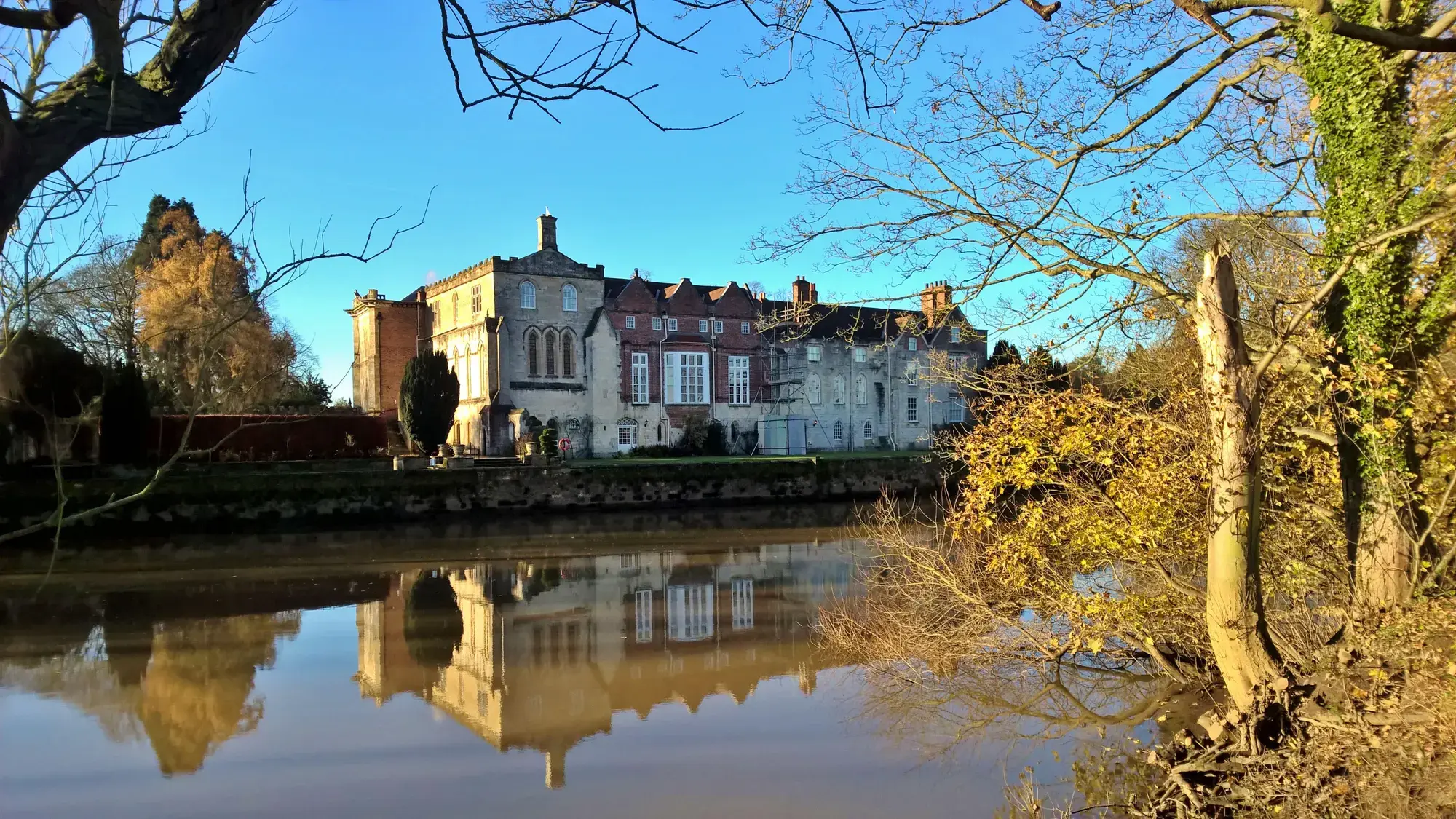
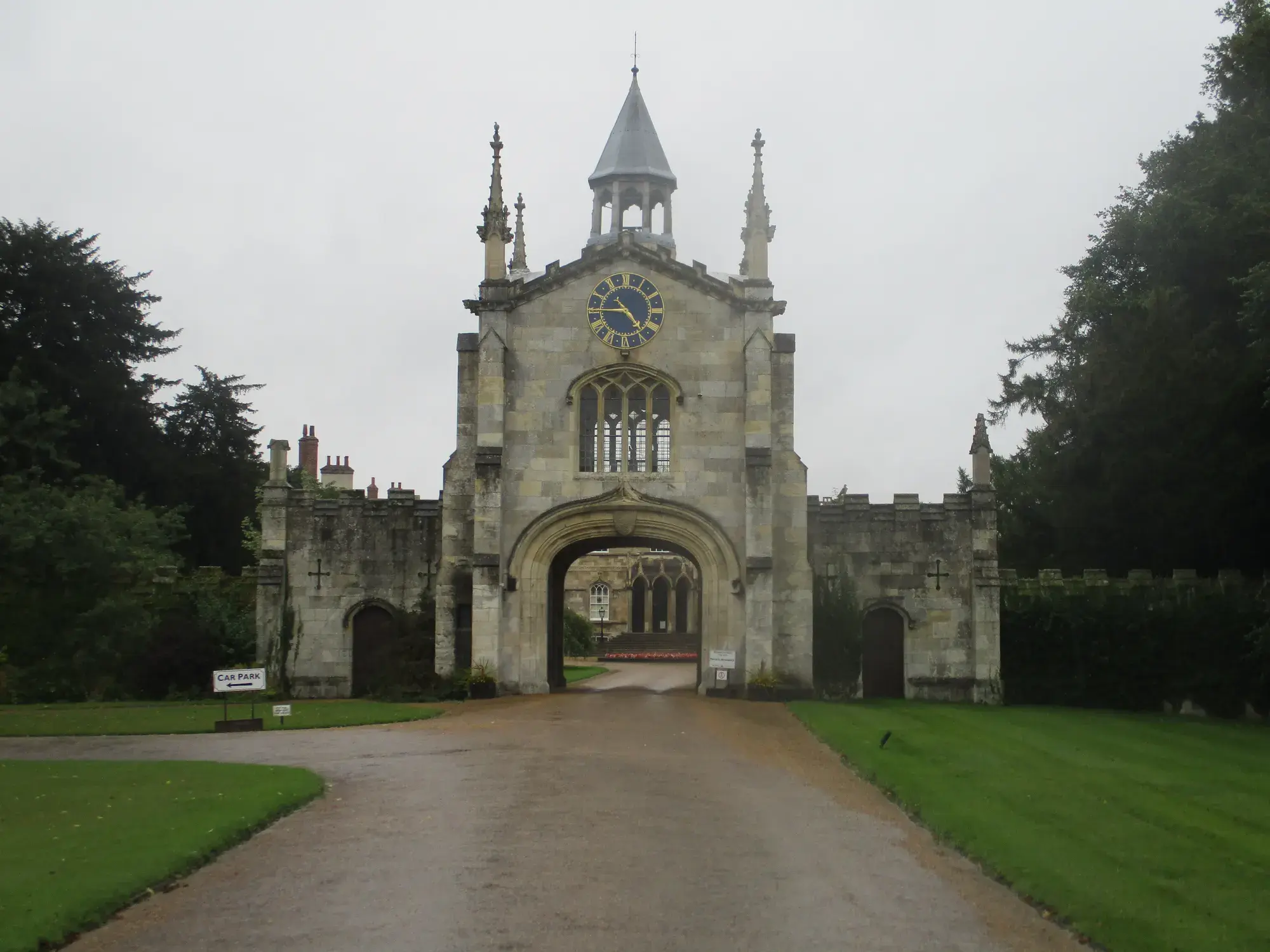
Bishopthorpe Palace. An Archbishop of York has lived at the palace since 1241, apart from the years 1650 to 1660 and the gaps between archbishops. Archbishop de Grey's 13th-century building was extended with a north wing between 1480 and 1500. Between 1761 and 1769 Archbishop Drummond added a Gothick stable block and gatehouse, and the palace was given a new entrance front in the Gothick style. The palace and chapel are listed Grade I, and the gatehouse and walls Grade II*. Today the palace holds the Archbishop's offices, meeting rooms, chapel and living quarters, and its grounds are used for charity open days and village fetes. The clock on the gatehouse was made in 1913 and restored in 2013.
The village. Bishopthorpe was in the West Riding of Yorkshire until 1974, then in Selby District, and since 1996 has been part of the City of York. City of York Council is the main council, and Bishopthorpe Parish Council, formed in 1895, has ten councillors and is based at the village hall on Main Street. The parish council says it does not have a neighbourhood plan. The Bishopthorpe Conservation Area, designated in 1989, covers Main Street, the palace and its grounds, and open land around the village. The council's record of the conservation area picks out the palace and Chantry Lane in their wooded riverside setting, the open land kept between Bishopthorpe and the suburbs of York, the cricket ground and Ferry Lane by the river, and Main Street's survival as a rural village street. The library, in the middle of the village, opened in 1968, and its garden is run by the parish council as a sensory garden. The parish council also runs Vernon House community centre and the village hall, which holds the community archive.
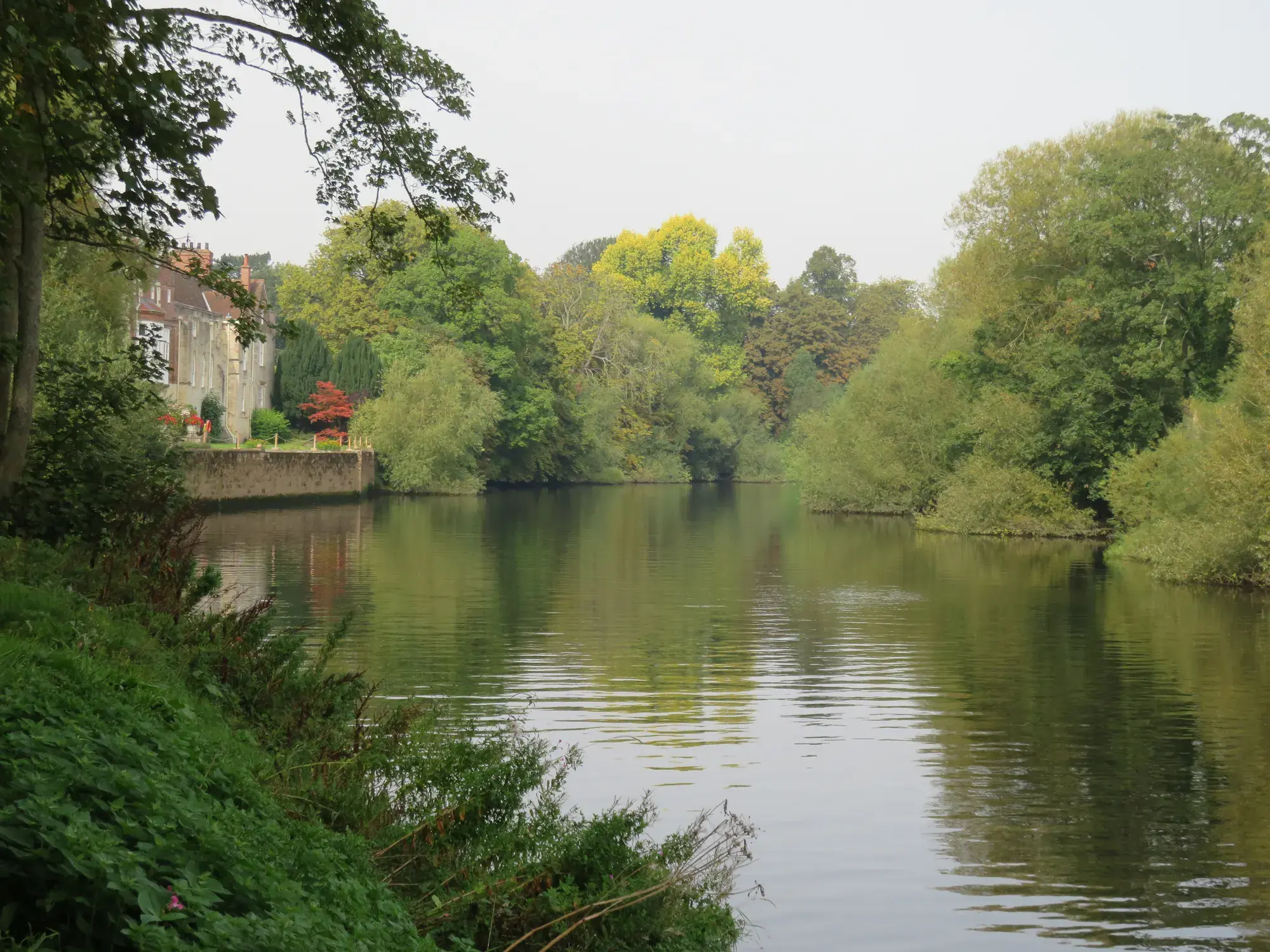
The river. The low-lying fields by the Ouse, known as ings, flood when the river overflows: Main Street was under water in 1947, and the ings flooded in 2007. The parish council's website links to Environment Agency flood warnings and river levels, and it's worth checking the flood risk for any address near the river.
Copmanthorpe. The next village to the west, about three miles south-west of York where the A64 crosses the East Coast Main Line, Copmanthorpe dates from before the Norman Conquest and stayed much the same size until the 1960s. Large housing estates built in the second half of the 20th century took its population from around 1,000 in 1961 to around 4,300 by 2011. The parish council lists a library on Main Street, a post office and a pub, the Royal Oak, in the centre of the village. Copmanthorpe has its own parish council, and its neighbourhood plan, covering 2022 to 2037, was approved at a referendum in November 2025 and formally adopted by City of York Council on 3 December 2025, so it is now used in deciding planning applications in the parish. The village has a conservation area around St Giles' Church and Low Green, and the parish lies in the York Green Belt.
The old village. At the start of the 20th century Bishopthorpe had just over 100 houses, centred on Main Street and Chantry Lane. Main Street survives as a rural village street and is in the conservation area, along with the palace, its buildings and Chantry Lane. Some work to homes in a conservation area needs permission that it wouldn't elsewhere, so check with City of York Council before planning major changes.
Later housing. House building began in the 1930s, and the first council houses, twenty semi-detached homes, were built on Maple Avenue in 1949. The Bradley estate off Acaster Lane, built in the 1960s, almost doubled the village's population, and in the 1980s more homes were built on the land of the old railway line. At the 2001 census about a third of the village's homes were detached and most of the rest semi-detached or terraced. The parish council notes that the council's 2005 local plan shows the village surrounded by green belt.
Copmanthorpe. Most of Copmanthorpe's homes are on the estates built around the old village in the second half of the 20th century; the neighbourhood plan puts the parish at around 1,750 homes. Its design policies ask new building to respect the conservation area and the village design statement, with materials and details such as gable-end chimney stacks that fit the village.
Cycling the Solar System. The York to Selby cycle route, part of National Cycle Route 65 and the Trans Pennine Trail, runs past Bishopthorpe on the trackbed of the old East Coast Main Line, which was bought for £1 and turned into one of the first traffic-free paths on the National Cycle Network. Between Bishopthorpe and Riccall the path carries a 10.4km scale model of the solar system, built by three scientists from the University of York, with models of the planets set out at the right distances from the Sun and from each other. Northwards, the route runs through York Racecourse, past Knavesmire Wood and along the river by Rowntree Park into the city. It is mostly asphalt, flat and suitable for families.
Old St Andrew's. Near the palace are the remains of Old St Andrew's Church, built in 1768 for Archbishop Drummond on the site of the earlier church, and now a Grade II listed ruin; its foundations were being washed away by the river, so the present St Andrew's Church was built away from it, on Church Lane, in 1898 to 1899, with its tower added in 1903.
Knavesmire and York Racecourse. To the north, between Bishopthorpe and the city, the Knavesmire is a large open stray used for walking and events, much of it taken up by York Racecourse; the York races moved here in 1731.
Sport and clubs. The village cricket ground is by the river on Ferry Lane, and Bishopthorpe Bowling Club, formed in 1927, is on Acaster Lane. The parish council runs allotments, and lists a tennis club, Bishopthorpe Whiterose junior football club, a community orchard and a local history group among the village's groups.
Latest inspection as the report words it. Ofsted stopped single-word overall grades in September 2024 and began report cards in November 2025, so recent reports read differently.
Catchment. Every address in York is in the catchment area of one primary school, and most are in the catchment of one secondary school. Bishopthorpe is an exception: City of York Council puts the village in the catchment areas of three secondary schools, Fulford School, Millthorpe School and Tadcaster Grammar School, which is run in North Yorkshire. Copmanthorpe is in the catchment areas of Millthorpe School and Tadcaster Grammar School. Bishopthorpe Infant School and Archbishop of York's CofE Junior School share a catchment area, and Bishopthorpe Infant is the named feeder school for the junior school.
How places are given. The council decides places at community and voluntary controlled schools, which here means Copmanthorpe Primary. When a school has more applicants than places, it gives priority to children in care or previously in care, then children in the catchment area with a brother or sister at the school, then other catchment children, then exceptional social or medical need, then brothers and sisters, then other children by distance from home to the school entrance. Living in a catchment area doesn't guarantee a place, and the council recommends naming your catchment school as one of your preferences. Bishopthorpe Infant, Archbishop of York's Junior, Millthorpe, Fulford and Tadcaster Grammar are academies, which set their own admissions rules; you still apply through City of York Council, including for Tadcaster Grammar.
Recent figures. The council's Guide for Parents shows that in 2026 Bishopthorpe Infant allocated 22 of its 30 Reception places, Archbishop of York's Junior 25 of its 45 Year 3 places, and Copmanthorpe Primary all 30 of its Reception places. Millthorpe allocated 198 of its 210 Year 7 places in 2026, and all 210 in 2024. Fulford School filled all 300 Year 7 places in each of 2024, 2025 and 2026; the last place given on distance went to a child 3.232 miles away in 2026, 1.530 miles in 2025 and 1.424 miles in 2024. Check which schools serve an address on the council's school catchment areas page.
Check each school's latest Ofsted report and admissions area before you buy: catchments change from year to year.
Your local Preston Baker Associate knows these streets. Estate agents in Bishopthorpe and Copmanthorpe.

Completed sales. Prices are what the buyer paid.
Sold98% of asking Sold98% of asking
 Sold98% of asking
4.6 from 262 Google reviews of Preston Baker York
Angela Williams went above and beyond assisting us to sell our home. I wouldn't hesitate to recommend her to anyone looking to buy or sell a property.
Highly recommend. Gemma and Jack were both amazing - so attentive and supportive throughout the whole process. Would choose them again
Jack at Preston-Baker is a fantastic estate agent. Constantly in touch and giving updates to keep you in the loop with viewers and through the sales process. And most importantly, he gets the job done. Can’t recommend enough!
Enter your postcode for an instant estimate from recent sales near you. For a price you can put on the market, book a free valuation with your local Associate.
Book a free valuationThe palace is the Archbishop of York's home and office, so it isn't a regular visitor attraction, but the palace and its grounds are used for charity open days, retreats, evening receptions and village fetes.
City of York Council puts Bishopthorpe in the catchment areas of three secondary schools: Fulford School, Millthorpe School and Tadcaster Grammar School. Copmanthorpe is in the catchment of Millthorpe and Tadcaster Grammar. All three are academies with their own admissions rules, and catchment gives priority, not a guaranteed place.
First York's 11 and 11A run along Bishopthorpe Road to York station and the city centre, 12 to 15 minutes from the station. By bike, the traffic-free York to Selby path runs from Bishopthorpe through York Racecourse and along the river into the city.
No. Bishopthorpe Parish Council says it doesn't have one, though it reviews the need regularly. Neighbouring Copmanthorpe does: its plan was adopted by City of York Council in December 2025.
The fields by the River Ouse, known as ings, flood when the river is high, and Main Street flooded in 1947. Check the flood risk for any particular address, especially near the river.
Guide checked 29 November 2026. Contains HM Land Registry data © Crown copyright and database right 2026. This data is licensed under the Open Government Licence v3.0. Sources: Archbishop of York: Bishopthorpe Palace, Archbishop of York: Bishopthorpe Palace history, British Listed Buildings (Historic England data): Bishopthorpe Palace and Chapel, Grade I, list entry 1132487, British Listed Buildings (Historic England data): Gatehouse and walls adjoining Bishopthorpe Palace, Grade II*, list entry 1166705, York Historic Environment Record: Bishopthorpe Conservation Area (Conservation Area 12), Bishopthorpe Parish Council, Bishopthorpe Parish Council: Neighbourhood Plan, Bishopthorpe Parish Council: Village services and groups, City of York Council: Bishopthorpe Explore Gateway Library pen portrait, City of York Council: Neighbourhood planning, City of York Council: Copmanthorpe Neighbourhood Plan, Copmanthorpe Parish Council: Copmanthorpe Neighbourhood Plan 2022 to 2037, adopted version, Copmanthorpe Parish Council, Copmanthorpe Parish Council: Village facilities, Walk Wheel Cycle Trust (Sustrans): York to Selby, National Cycle Route 65, Wikipedia: Bishopthorpe, Wikipedia: Knavesmire, bustimes.org: First York 11 (First timetable data, 20 November 2026), bustimes.org: First York 11A (First timetable data, 20 November 2026), bustimes.org: East Yorkshire 15 BishQuick (East Yorkshire timetable data, 16 November 2026), bustimes.org: York Pullman 21, York to Colton (York Pullman timetable data, 3 November 2026), bustimes.org: Connexions 13, Copmanthorpe to Haxby (timetable data via Bus Open Data Service), GOV.UK Get information about schools, Ofsted: inspection reports for each school (checked 29 November 2026), City of York Council: Oversubscription criteria, City of York Council: School catchment areas, City of York Council: Guide for Parents, applying for a school place for September 2027.